Most laundry damage is invisible until it isn't. A sweater doesn't shrink on the first hot wash. It shrinks a little on each wash, until one day it doesn't fit. A dark shirt doesn't fade on the first warm cycle. It loses color gradually, wash by wash, until it looks like a different garment than the one you bought.
By the time the damage is obvious, the wrong habit has run for months. The right cycle doesn't just protect a garment the first week. It compounds over the life of the piece. Here's what cotton, wool, synthetics, and linen each actually need and what the wrong setting costs over time.
Cotton makes up most of what’s in your closet, and it’s also the fabric most people mishandle without realizing it.
The default most people use:
What actually works better:
When warm water is the right call:
When hot water makes sense:
A laundry service doesn’t run one cycle for every cotton item. Garments get sorted by soil level first, then matched to a calibrated temperature; light wear gets treated differently from heavy wear. That’s the actual reason professionally laundered cotton holds its color and shape longer than the same shirt washed at home on autopilot.
Wool and cashmere take more damage from incorrect washing than almost any other fabric, and the damage is permanent.
Why wool felts and shrinks:
A detail most people don’t know: the “delicate” setting on your machine reduces agitation, but it often doesn’t lower the temperature enough to actually protect fine wool. You can use a delicate cycle and still felt a sweater.
If you hand wash wool at home, do this:
Professional handling controls three variables at once: water temperature kept below the felting threshold, agitation calibrated to the specific fiber, and a drying environment that holds its shape instead of letting gravity do the damage. A cashmere sweater cared for professionally for a decade will visibly outlast the same sweater washed at home over the same stretch of time.
Synthetic Performance Fabrics: Why the Smell Comes Back
If your workout gear smells again the moment you sweat, even right after washing, the fabric is the reason, not the detergent brand.
Why odor returns so fast:
A mistake that makes it worse: fabric softener. It coats synthetic fibers with residue that blocks moisture-wicking and actually traps more odor-causing bacteria, the opposite of what you want.
What to do at home instead:
Professional Wash and Fold Laundry Service applies a commercial-strength enzyme pretreatment before the wash cycle even starts, at a concentration you can’t buy at a retail store. That pretreatment breaks down bacteria at the fiber level instead of just washing around it, which is the difference between gear that smells clean and gear that actually is clean.
For Lexington households that include VMI corps activities, proximity to the Appalachian Trail, and Rockbridge County’s outdoor recreation culture, performance fabric care is a regular maintenance need across a significant portion of what goes into the laundry.
Linen behaves nothing like cotton, even though people often treat it the same way in the wash.
What goes wrong with linen in a standard cycle:
The better approach:
A mistake that costs you later: putting linen and other lightweight natural fibers into storage without washing them thoroughly first. Invisible soil, body oil, and sweat residue left in the fabric during a season of storage are common causes of mildew and musty odor by the time you take it back out.
Professional laundry doesn’t just clean what’s visibly dirty; it removes the soil you can’t see before storage, then dries the fabric in a way that preserves its structure rather than leaving it stiff or misshapen. That’s the difference between linen that comes out of storage ready to wear and linen that needs to be rewashed before you can put it on.
Now that you know what each fabric actually needs, the easiest next step is to let someone who already runs those cycles every day take it off your plate. That’s exactly what our Wash and Fold Laundry Service handles.
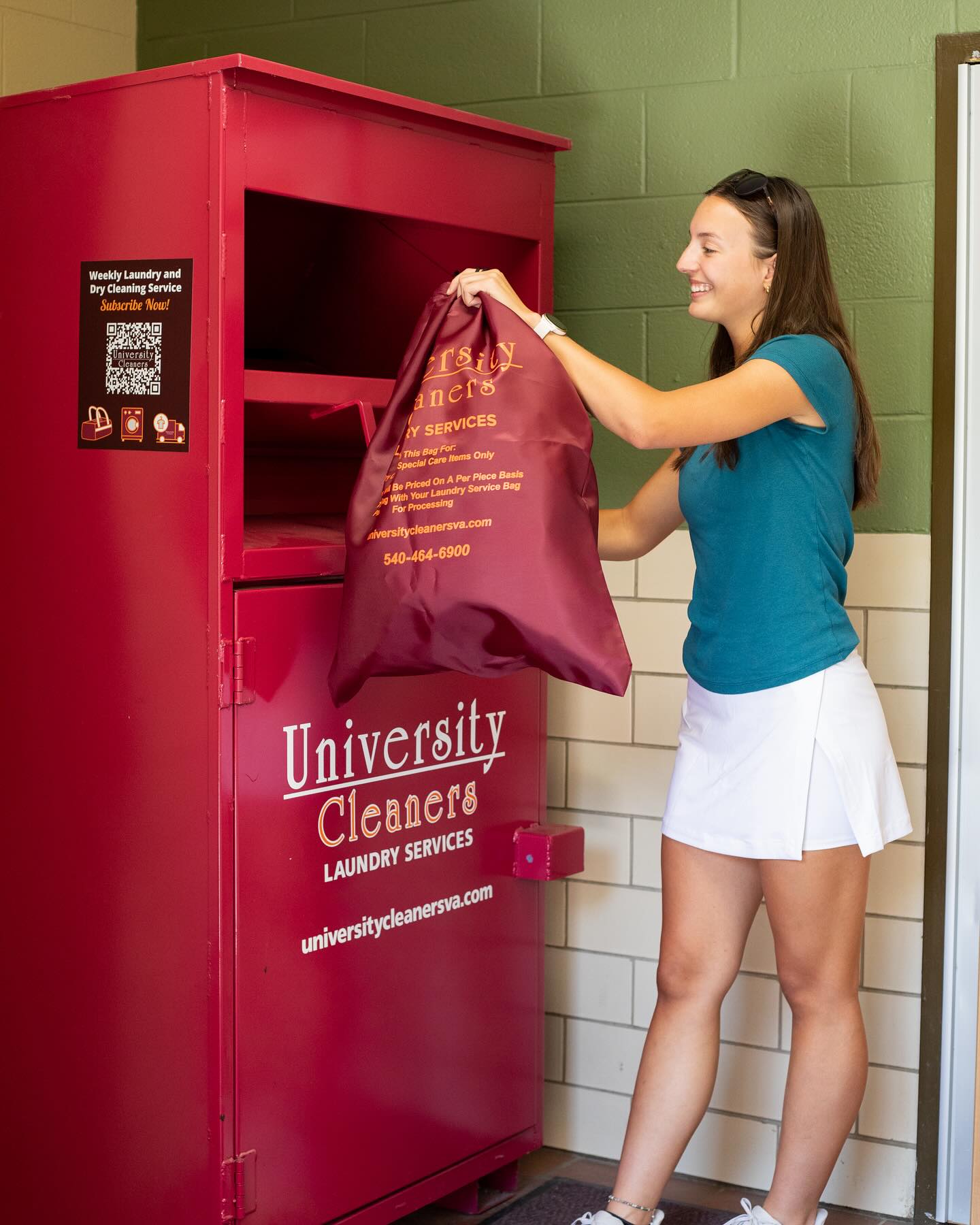
At University Cleaners, we sort every load by fabric and soil level before it ever hits a machine, so your cottons, synthetics, and linens each get the treatment they’re supposed to receive, not a one-size-fits-all cycle. We’ve built our reputation across the Shenandoah Valley on consistency, careful folding, and getting your load back to you fresh and on schedule, whether it’s a single bag or a standing weekly pickup.
Stop second-guessing the dial. Drop off your next load at any of our three locations, or get in touch, and we’ll take it from here.
University Cleaners – Lexington
📍 534 E. Nelson St., Lexington, VA, 24450
University Cleaners – Augusta St. Staunton
📍 1007 N. Augusta St., Staunton, VA, 24401
University Cleaners – Richmond Ave. Staunton