You've probably hand washed a sweater to save money or skipped dry cleaning because it felt like an unnecessary expense. That's not because people are against dry cleaning. It's because they've picked up a handful of assumptions over the years, and stacked them together. Those assumptions make dry cleaning look like overkill for everyday clothes.
This is exactly where dry cleaning misconceptions take root, each one starting with a grain of truth that never got updated. Below are eight of the biggest misconceptions, along with what actually happens to your clothes. By the end, you'll know the difference between habit and fact.
Per-item pricing is lower than most people expect, and it's not even the right comparison. What matters is price per cleaning versus cost of replacement.
Take a work shirt you wear often. Cleaned professionally regularly, it can last for years. Washed at home weekly, it tends to wear out much faster from fiber breakdown, shrinkage, and fading. Run the two side by side, and dry cleaning stops looking like an expense. It's wardrobe insurance.
Skip the sticker price and do this instead:
A shirt that costs more to clean but lasts three times longer almost always wins on cost per wear. Track this once for a few key pieces, and you'll never guess at the value again.
This myth has some history behind it. Older dry cleaning relied on perchloroethylene, a solvent that was tough on delicate fibers. Most cleaners have since moved to gentler solvent systems, and the process changed along with them.
For most fabrics, modern dry cleaning is actually gentler than a home wash. There's no water swelling fibers, no drum agitation pulling at seams, no dryer heat wearing down shape and cotton. Clothes cleaned monthly at a professional cleaner often outlast clothes washed monthly at home, simply because the process is less aggressive on the fabric.
The real culprits in most closets aren't those people blame:
If your clothes are wearing out fast, check these four before blaming the cleaning method itself.
Body oils, sweat, perfume, and everyday airborne particles settle into fabric long before you can see them. Over months, that buildup causes yellowing at collars and underarms, weakens fibers from the inside out, and makes garments more attractive to moths in storage.
Looking clean and clean are two different things. Wool and tailored pieces are especially prone to this. A blazer that looks perfectly fine after one wear can still carry enough residue to cause damage if it sits untouched for a season.
Storing a soiled garment, even one that looks fine, is one of the most common ways closets end up with moth damage and set-in yellowing. Sealed plastic garment bags trap whatever residue is already on the fabric, and that residue attracts pests and accelerates fiber breakdown while the piece just sits there. Always clean a garment before long-term storage, not after you notice a problem.
This myth comes from a partial truth. For everyday cotton basics, hand washing is often fine. The trouble starts when people apply the same logic to wool, silk, and structured tailoring, fabrics that behave very differently in water.
Hand washing introduces three things professional dry cleaning avoids: water, which swells and distorts natural fibers, manual agitation, which is harsher than most people realize, and uneven air drying, the leading cause of water stains on silk and wool. That's how dry cleaning works differently: solvent-based cleaning lifts oil-based stains without water at all, protecting fiber structure that hand washing can't.
Keep these out of the sink no matter how careful you are:
If a piece falls into any of these categories, a professional cleaner isn't optional. It's the only method that won't damage it.
Garments accumulate damage continuously, not just when they look dirty. The idea of an annual or twice-yearly deep clean is left over from a time when dry cleaning was expensive and treated as a luxury. That's simply not how fabric care works, and it's not current best practice.
Different garments need varying schedules based on how they're worn and what they're made of. Waiting a full year between cleanings on a wool suit or a silk blouse gives buildup far too much time to cause real, sometimes irreversible, damage.
Use this as a baseline and adjust for how often you actually wear each piece:
If you've been going by the calendar instead of the wear count, this is the fix.
The special occasion only mindset leaves a lot of value on the table. Professional cleaners routinely handle far more than formalwear, including everyday work shirts, children’s dress clothes, and stain rescue on items that aren't even technically dry-clean-only.
If you've been reserving dry cleaning for weddings and job interviews, there's a good chance you have items in your closet right now that would genuinely benefit from a professional clean and never get one.
Dry cleaning covers a lot more territory than clothing alone:
None of these requires a special occasion. They just need to actually get cleaned.
A failed attempt at home stain removal doesn't mean the garment is done for. Many set stains are still treatable with professional pretreatment and specialty solvents not available at home. Wine, oil, makeup, and even old yellowed sweat stains can often be lightened significantly or removed entirely.
Success depends on the stain type, the fabric, and what's already been tried. Some home treatments actually make a stain harder to remove, setting it deeper into the fiber with heat or the wrong cleaning agent.
Your first move matters more than any product you reach for:
Don't toss a garment because a home fix didn't work. Get it in front of someone who does this professionally before writing it off.
This myth is outdated for a growing share of the industry. Many cleaners have shifted from perchloroethylene toward hydrocarbon, silicone-based, or water-based wet cleaning systems, and solvent recovery technology has improved significantly compared to a couple of decades ago.
For context, a single home wash load uses somewhere between 15 and 40 gallons of water. Depending on the process and equipment used, some professional cleaning operations now have a lighter environmental footprint than washing the same garment at home.
A good cleaner won't hesitate to answer these:
Willingness to answer clearly is itself a sign of a quality, up-to-date operation.
Regular laundry works fine for simple loads such as T-shirts and towels, but delicate fabrics, tailored garments, and investment pieces need real dry cleaning, not just water and detergent.
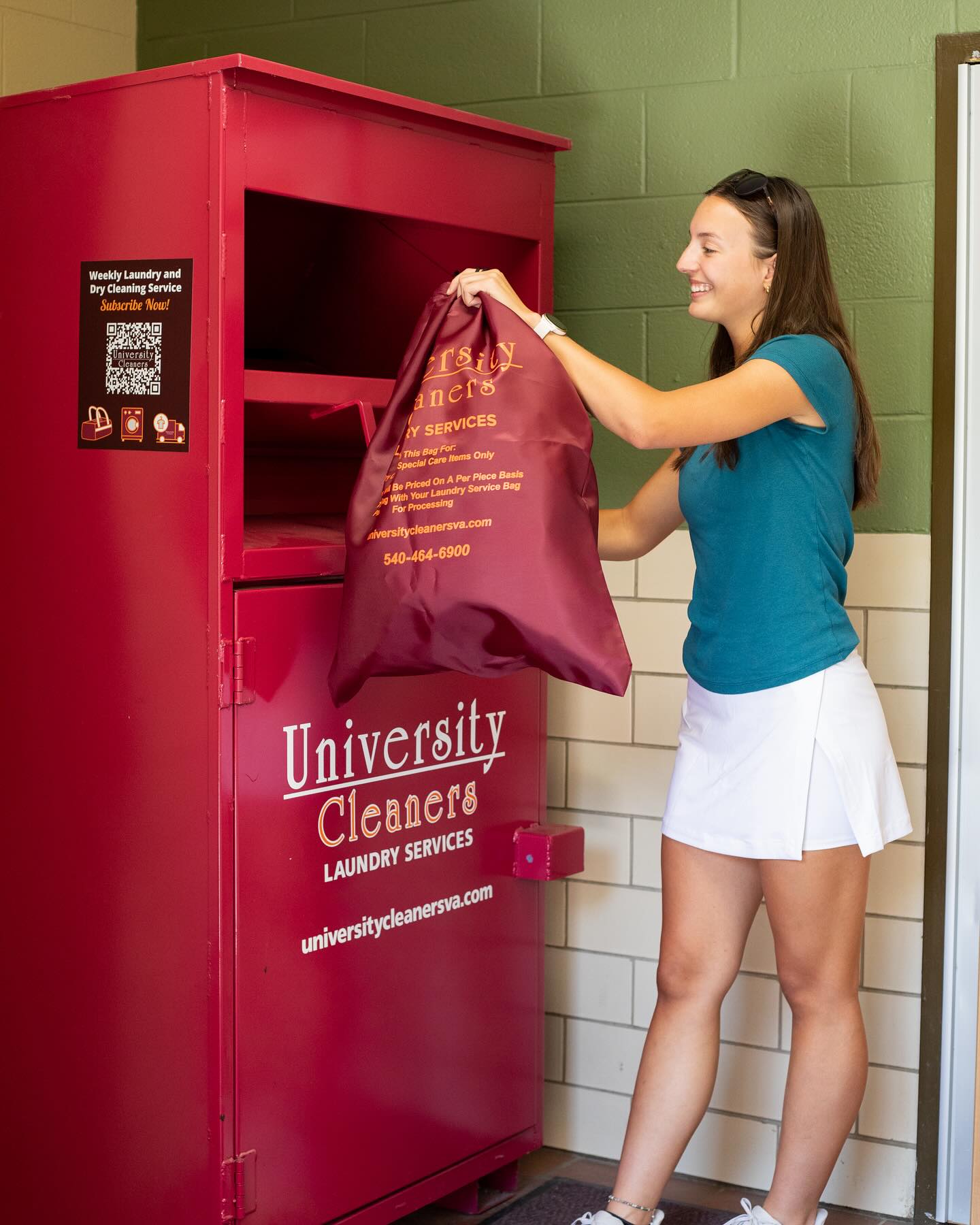
At University Cleaners, we use gentle solvents and advanced techniques to clean deep, lift stains, and protect the structure of every garment we touch. For anyone searching for a professional dry cleaner and who's ready to see the difference firsthand, drop off your items at any of our three Shenandoah Valley locations, or skip the trip entirely with our FREE Pickup and Delivery Service.
📍University Cleaners, Lexington
534 E. Nelson St., Lexington, VA, 24450, United States l (540) 464-6900
📍University Cleaners, Augusta St. (Staunton)
1007 N. Augusta St., Staunton, VA, 24401 l (540) 886-2795
📍University Cleaners, Richmond Ave. (Staunton)
729 Richmond Ave., Apt. D, Staunton, VA, 24401 l (540) 346-3158