Most homeowners pull out the vacuum cleaner in March, run it across the rug, and call it spring cleaning. However, that is not quite enough.
A full winter of use leaves more in a rug than surface dust. Road salt and grit work their way into the pile and cut into the fiber structure with every step. Moisture from wet boots settles at the base and creates conditions for mold and mildew that have no visible sign until the damage is already done.
Pet dander, allergens, and dust mites build up in layers a vacuum cleaner cannot reach. None of it shows from across the room, but all of it matters before you head into another season.
This guide covers how to assess what your rugs actually need this spring, what you can handle at home, and when professional rug cleaning is the right call. Start with the assessment. Everything else follows from what you find.
The most common rug cleaning mistake is skipping the assessment entirely and going straight to cleaning without knowing what you are dealing with. Vacuuming over a moisture problem does not fix it. Spot treating a stain that has wicked through to the backing makes it worse. A few minutes of assessment before you do anything changes the outcome.
Lift a corner and look at the backing. Dark spots, discoloration, or residue near the base of the fibers means moisture has been sitting there. Surface cleaning will not reach it. A rug with foundation moisture damage needs professional attention before the problem spreads further into the fiber structure.
Flatten your palm against the rug, hold it for a few seconds, then lift. If you detect an odor when you do this – musty, sour, or resembling ammonia – that smell is coming from deep in the fiber. Pet accidents wick into the backing and crystallize as they dry. Trapped moisture generates mildew. Neither of those problems responds to surface treatment.
Run your hand across areas in front of seating, doorways, and high-use pathways. Pile that stays flat after you brush it indicates fiber compression from repeated foot traffic over winter. Some of this is cosmetic and responds to professional finishing. Some of it reflects structural fiber damage that accumulates over multiple seasons of heavy use without proper cleaning.
Curling, fraying, or discoloration along the border of a rug points to repeated moisture exposure without proper drying. Fringe that is matted or discolored has absorbed more than it should have. This is worth noting before any cleaning begins because edges and fringe are the first structural element to deteriorate if cleaning is done incorrectly.
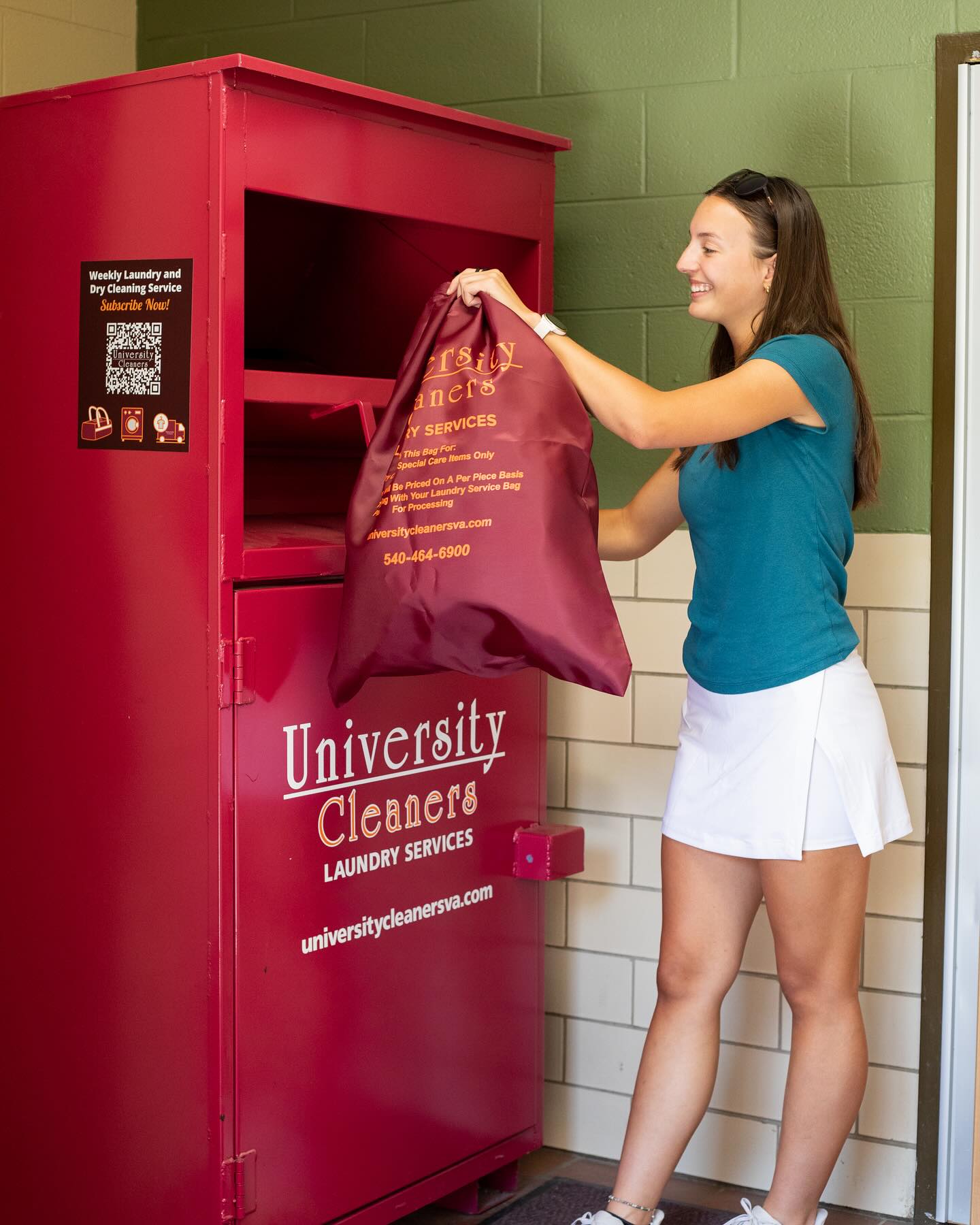
Technology has changed the way we handle everyday services, and laundry is no exception. With today’s laundry delivery service apps, you can schedule a pickup in just a few taps from your phone or computer.
Text updates and automatic billing eliminate unnecessary back-and-forth and paperwork. When the process feels this simple, it becomes easier to make a Wash and Fold Laundry Service part of your regular routine rather than something you use only occasionally.
After you confirm your order, several coordinated steps begin immediately, including:
Behind the scenes, smart systems keep everything organized and moving on schedule, minimizing lost items, mix-ups, and delays. Customers can track their laundry and know exactly when it will be ready for pickup, which strengthens trust in the laundry Pickup and Delivery Service.
| What You Observe | What It Likely Means | Next Step |
|---|---|---|
| Light dust, surface soil only | Normal seasonal buildup | At-home care is appropriate |
| Visible staining or discoloration | Spill residue or oxidized stain | Professional rug cleaning |
| Odor when pressed into pile | Pet accident or moisture damage | Professional rug cleaning |
| Flattened, matted pile | Heavy winter traffic buildup | Professional assessment |
| Dark spots on backing | Foundation moisture damage | Professional inspection before cleaning |
| Fraying or curled edges | Repeated moisture exposure | Professional inspection before cleaning |
Not every rug needs professional cleaning every year. But certain rug types should not go into another season without it.
Carpet beetles and clothes moths are specifically attracted to the organic content in unwashed wool. A wool rug stored or left through summer with a season’s worth of embedded oils is a significantly more attractive target than one that has been professionally cleaned. By the time insect damage shows up on the surface, the fiber has already been compromised from inside.
The cotton and wool foundations of hand-knotted rugs can shrink, warp, or separate under the wrong moisture and pressure. Antique dyes are frequently not water-stable, and improper washing causes color bleeding that permanently alters the pattern of the rug. Professional rug cleaning for antique and hand-knotted pieces is not a luxury. It is the only approach that accounts for how these rugs are actually constructed.
Pet urine does not stay where it lands. It wicks into the backing, spreads through the foundation, and crystallizes as it dries. Odor treatments applied from the top push liquid further down rather than remove it. The only way to eliminate the contamination is to extract it from the fiber itself, and that requires professional equipment and a process that works from the foundation up, not the surface down.
Stains oxidize and bond to fiber over fall and winter. A stain that was removable in October is harder to remove in March and may be permanent by the time summer arrives. Spring is often the last realistic window before a stain becomes part of the rug. If something has been sitting untreated through the winter, professional rug cleaning now is the right call.
University Cleaners and our partners provide professional rug cleaning with specialized equipment, fiber-appropriate solutions, and real expertise in rug construction. Rugs come back structurally sound and genuinely clean, not just surface-refreshed.
Synthetic area rugs, low-pile rugs, and outdoor rugs with no signs of foundation moisture, odor, or set staining can be managed at home. The process matters more than most people realize.
What not to do at home:
Spring rug cleaning is the reset. These habits are what determine how much work the next reset requires.
Entryways, sofas, and dining chairs create concentrated wear in the same spots year after year. Rotating your rug 180 degrees twice a year distributes foot traffic across the full surface so colors fade uniformly rather than creating worn lanes. This single habit extends the life of a rug more than almost anything else you can do between cleanings.
Pads shift and compress over a season of use. After cleaning is the right moment to check fit, placement, and condition. A properly fitted pad protects the floor underneath, prevents slipping, and reduces the pile compression that makes rugs look tired before their time.
Roll, do not fold. Folding creates permanent crease lines and can crack the foundation of natural fiber rugs. Roll tightly around a tube, wrap in kraft paper or cotton canvas, and store in a cool dry interior space. Against exterior walls or in humid basements, moisture will find a way in regardless of how well the rug was cleaned before storage.
Most of the road salt and grit that cuts into rug fibers comes in on shoe soles. A mat at the entry and a consistent no-shoes habit stops the majority of that damage before it reaches the rug. It is the simplest maintenance decision with the most direct impact on how your rugs hold up over time.
High-traffic rugs benefit from vacuuming twice a week. For lower-traffic rooms, every ten days is adequate. One rule that applies everywhere: vacuum with the beater bar disengaged on shag and long-pile rugs. Aggressive mechanical action pulls and damages long fibers over time in ways that are not immediately visible but accumulate across seasons.

Your rugs did a full season of work. Before they do another, give them the cleaning that actually addresses what winter left behind.
University Cleaners and our partners have served the Shenandoah Valley for years with professional rug cleaning that goes beyond surface care. Specialized equipment, fiber-appropriate solutions, and genuine expertise in rug construction mean your rugs come back looking and performing the way they should.
From Orientals to area rugs, University Cleaners provides deep cleaning and FREE Pickup and Delivery Service. Drop off your rug or schedule FREE pickup now!
University Cleaners:
🗓 Free Pickup and Delivery Available
📍 Lexington: 534 E. Nelson St. 📞 (540) 464-6900
📍 Staunton: 1007 N. Augusta St. 📞 (540) 886-2795
📍 Staunton: 729 Richmond Ave., Apt. D 📞 (540) 346-3158