Holiday stains rarely stay the same overnight. As garments are worn again, left hanging in warm rooms, or tossed into hampers to deal with later, stains continue to react beneath the surface. Pigments darken, oils spread, and residues settle deeper into fibers, often without any obvious warning signs.
Once stains start interacting with fibers, removal becomes less predictable. This guide breaks down which holiday stains worsen the most, how dry cleaning fits into proper treatment, and whether professional dry cleaning removes stains after time has already passed. The goal is to help you recognize when waiting narrows your options.
Red wine, mulled wine, and dark cocktails are some of the most common holiday stains and also some of the most deceptive. What starts as a visible red or purple spill doesn’t stay that way for long.
As time passes, oxygen in the air reacts with the pigments, changing their chemistry and making them bond more tightly to fabric fibers. By the next day, many wine stains darken to brown or rust tones, signaling the stain has begun to set.
Once wine is exposed to air, its color compounds begin to shift. This process alters how the stain interacts with fabric.
Time allows wine to settle deeper into fabric layers. The longer it sits, the more embedded it becomes.
Holiday outfits are often worn again before being cleaned. That delay works against stain removal.
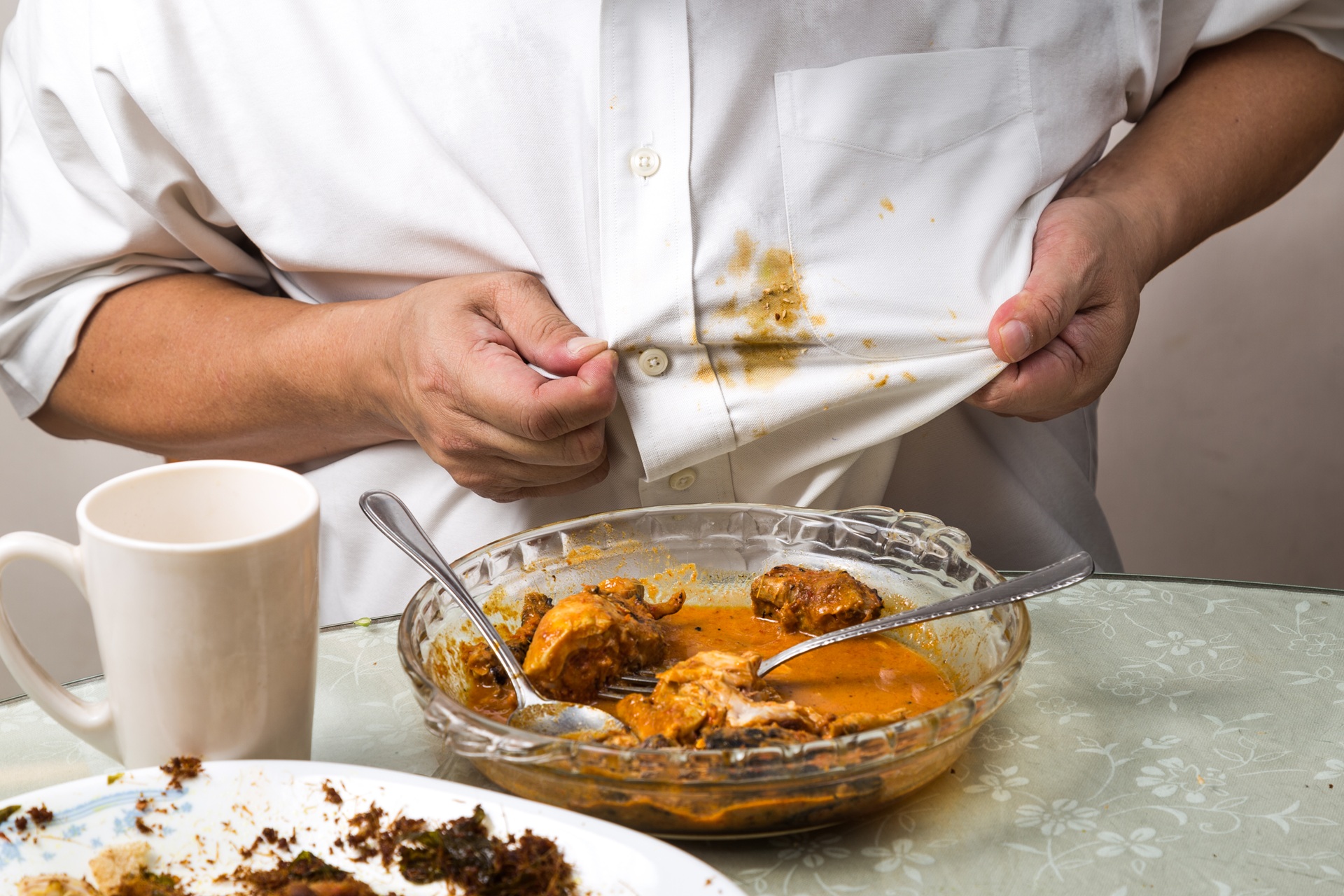
Holiday meals bring rich foods, and with them come grease and butter stains that rarely look serious at first. These stains often appear faint or invisible when fresh, which leads many people to ignore them.
Over time, oils slowly migrate deeper into the fabric, spreading beyond the original spot. Once heat is introduced through dryers, radiators, or even body warmth, removal becomes significantly more difficult.
Unlike water-based stains, oils don’t stay put. They travel and expand.
Heat alters the structure of oils and fibers. This combination locks stains in place.
Grease isn’t limited to obvious spills. Many stains come from everyday moments.
Desserts may seem harmless, but sugar-based stains can quietly damage fabric over time. Syrups, sauces, and sugary drinks leave behind sticky residues that change as they dry. As moisture evaporates, sugar crystallizes and hardens, altering both color and texture.
Left untreated, these stains often cause fabric stiffness and discoloration. Sugar stains change character as they age, which complicates cleaning.
Drying triggers physical changes that affect how fabric feels and looks.
Even when color fades, texture changes can remain. This affects how garments wear.
Many holiday favorites carry hidden risks.
Formalwear often falls victim to stains that aren’t immediately obvious. Makeup, lotions, and body oils transfer gradually during wear, especially around high-contact areas. Over time, these oils oxidize and attract airborne dirt, darkening fabric and creating dull, greasy patches.
Collars, necklines, and underarms are especially vulnerable. These stains are cumulative, not sudden, which makes timing critical.
Exposure to air triggers chemical changes in oils. This affects both appearance and removability.
Movement and warmth accelerate stain development.
Waiting allows oils to penetrate deeper layers. This limits what cleaning can achieve.
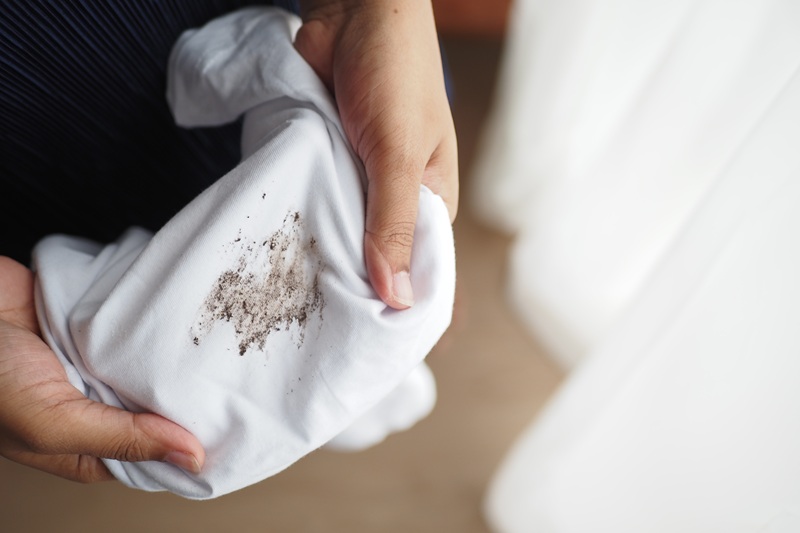
Winter weather introduces stains that behave differently from food and drink spills. Salt, slush, and mud leave behind minerals that don’t disappear when the fabric dries. Instead, salt crystallizes within fibers, weakening them and causing recurring white rings.
Even when stains seem to fade, residue often resurfaces after drying. These stains are especially common on hems, cuffs, and outerwear.
Salt doesn’t just stain, it alters fiber structure.
Many people think a stain is gone when it dries. Salt residue tells a different story.
Some items face repeated exposure during the season.
Timing plays a major role in stain removal, especially during the holidays when garments are worn repeatedly, and cleaning is often delayed. Early professional treatment interrupts chemical changes like oxidation, migration, and crystallization before they become permanent.
Waiting until “after the holidays” often means stains have already bonded to fibers, limiting what even expert cleaning can achieve. Prompt care preserves both appearance and fabric integrity. Professional intervention works best when stains are still chemically active.
Quick action stops stains from evolving.
The season encourages postponement, but stains don’t pause.
Recognizing the right moment improves outcomes.
Before color shifts, oils spread, or residue hardens, take in stained garments for care that protects them long after the holidays are over. At University Cleaners, we focus on preserving the life of your wardrobe, not just fixing what’s visible today.
With experience that spans generations and award-winning professionalism, we know how timing, fabric, and chemistry work together and how to step in before stains limit the results. Our approach blends trusted expertise with modern convenience at every step, so getting professional care never feels complicated.
Stop by one of our convenient locations or contact us by phone or email. We’ll respond promptly and make sure to guide you from start to finish.
Call: +1 540-698-5523